
The part nobody plans for
You do not want the same holiday
Almost no couple does. One of you would be out at 5.30 every morning; the other would like to see one sunrise and spend the rest of the week horizontal. Neither of you has said so, because it is three months before a wedding and you have been being accommodating since March.
The mistake
Do not split the difference
It is the instinctive move and it is the wrong one. Split the difference on early starts and you both get up at 6.15: one of you is tired and the other feels rushed, and the compromise is a holiday neither person chose.
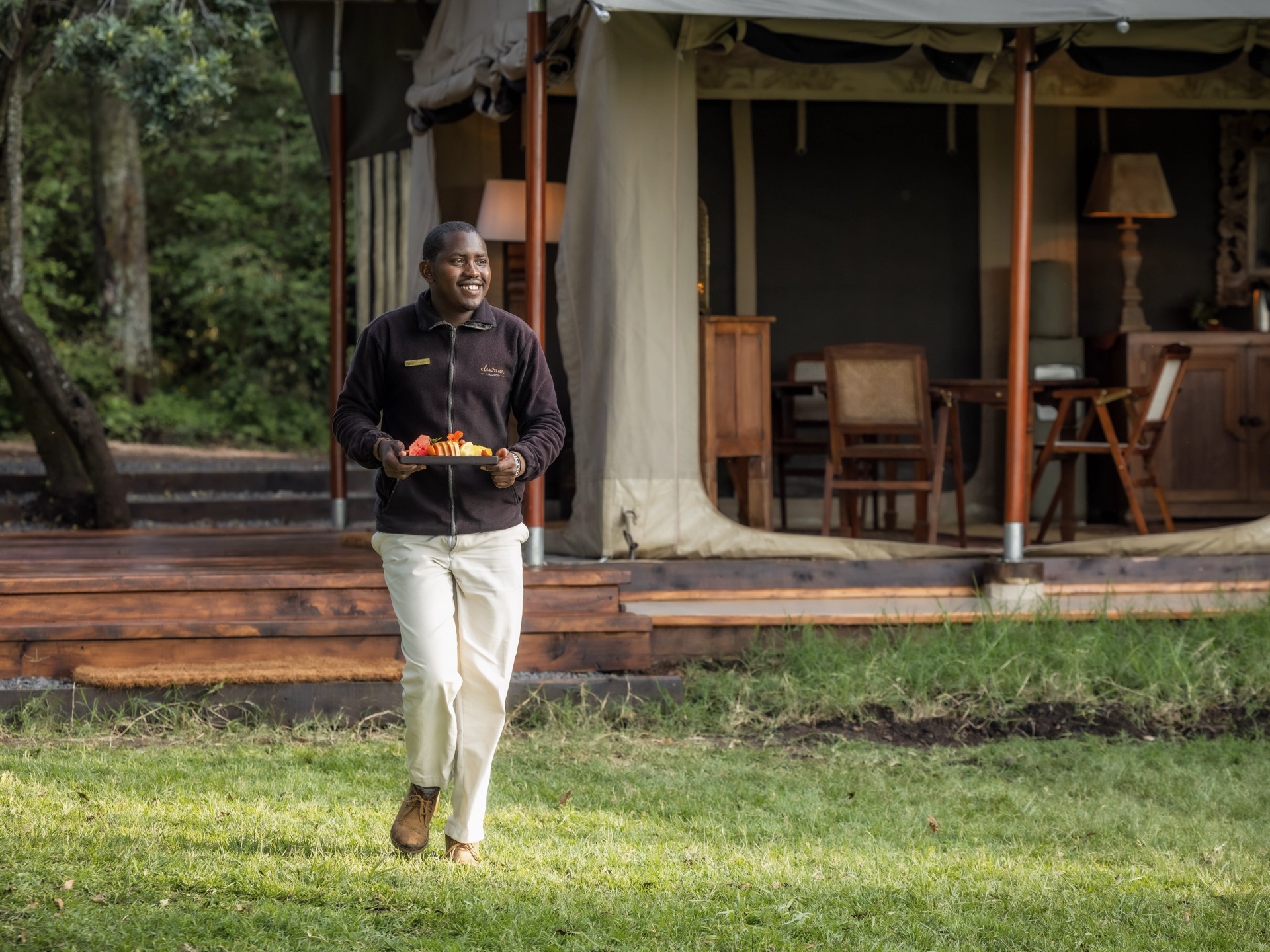
The better move is nearly always to buy the thing that lets you both have what you wanted. A private vehicle is a few hundred dollars a day and means one of you can leave at 5.30 while the other has breakfast at nine. That is not a compromise. It is a solved problem.
- Early starts → a private vehicle, so one can go and one can sleep
- How much moving → fewer bases, day trips out from them
- Other people → separate dining tables, and one private dinner
- Comfort priorities → trade camp by camp rather than averaging
The method
Four steps, and the first one is not about Africa
1. Fill it in separately
Six questions, answered alone rather than together, because four months of being accommodating makes "whatever you’d like" automatic.
2. Compare
Most couples agree on four and differ on two. The two are the useful part and they are what a specialist needs.
3. Send both sheets
Not a composite. A specialist would far rather have two honest answers that disagree than one that reads as though a committee wrote it.
4. Buy the solution
The itinerary absorbs the difference — usually for less than people expect, and usually with a private vehicle.
The six
Where couples actually differ
Not on the destination. On these, which nobody raises before the itinerary arrives.
Early starts
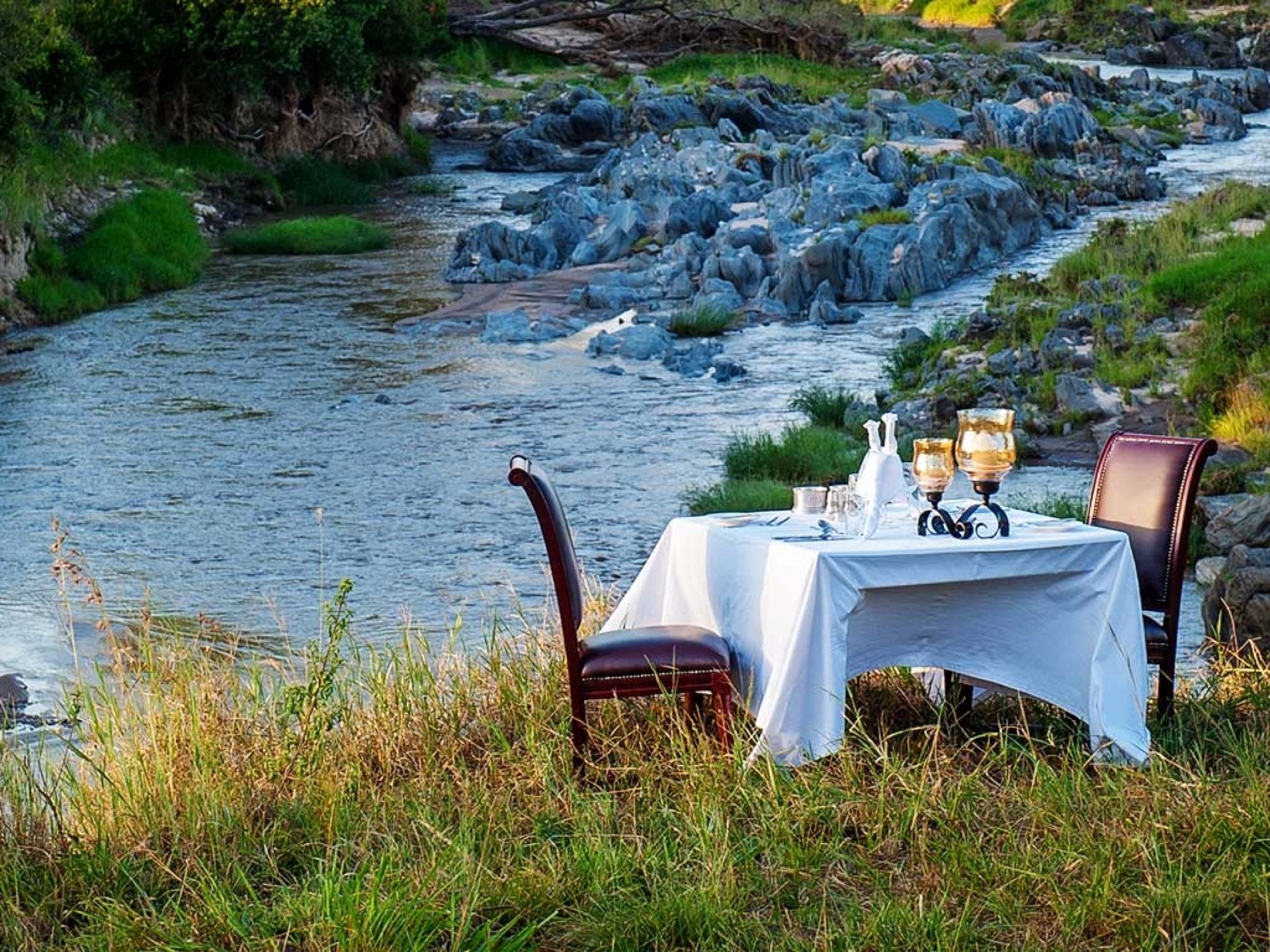
Drives leave between 5.30 and 6.30 and that is not negotiable at the camp. What is negotiable is whether you both have to be in the vehicle.
The 5.30 question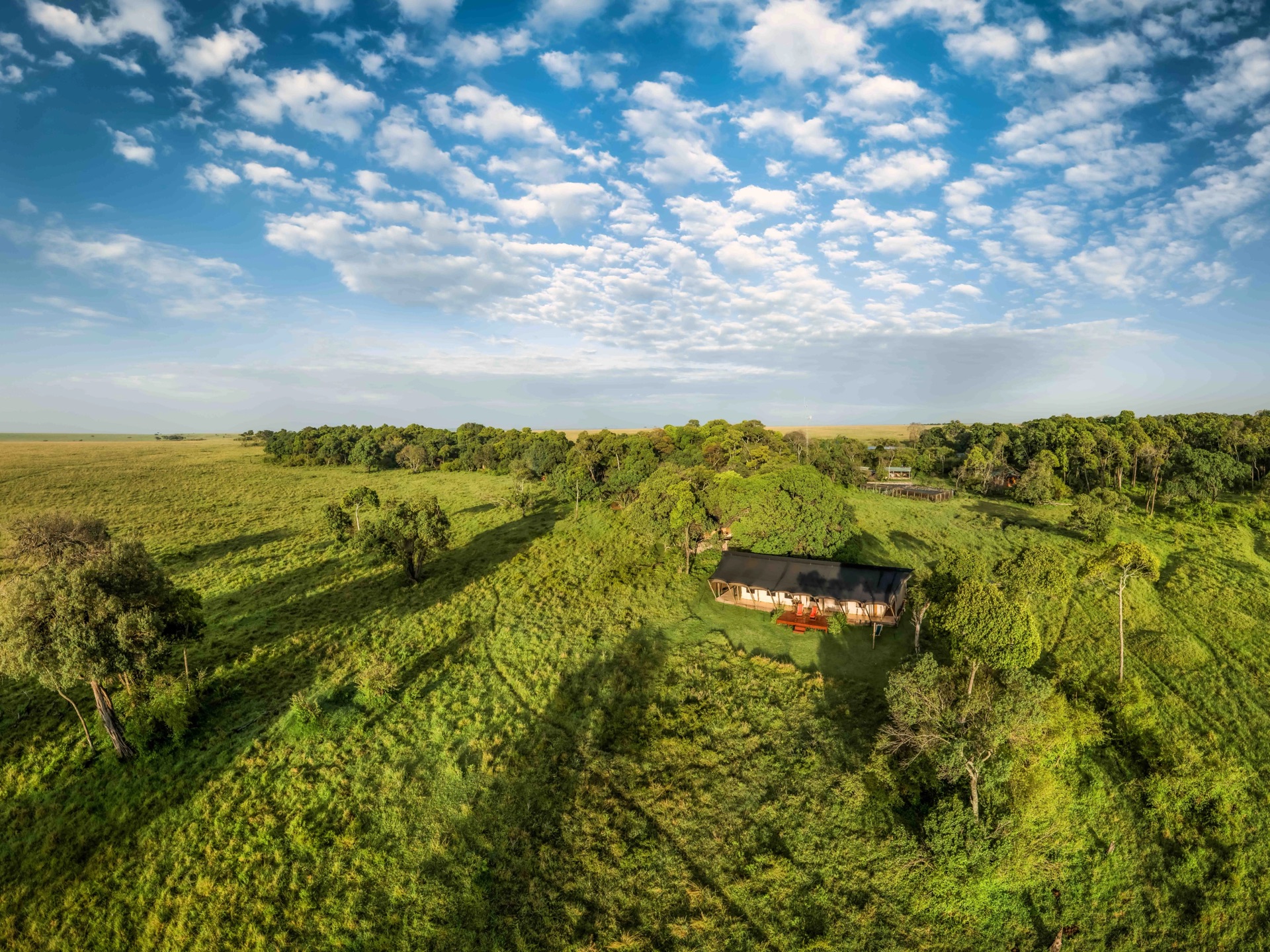
How much moving
One of you wants to see four places; the other loses a day every time you pack. Both are right and they are not the same trip.
Bases or stops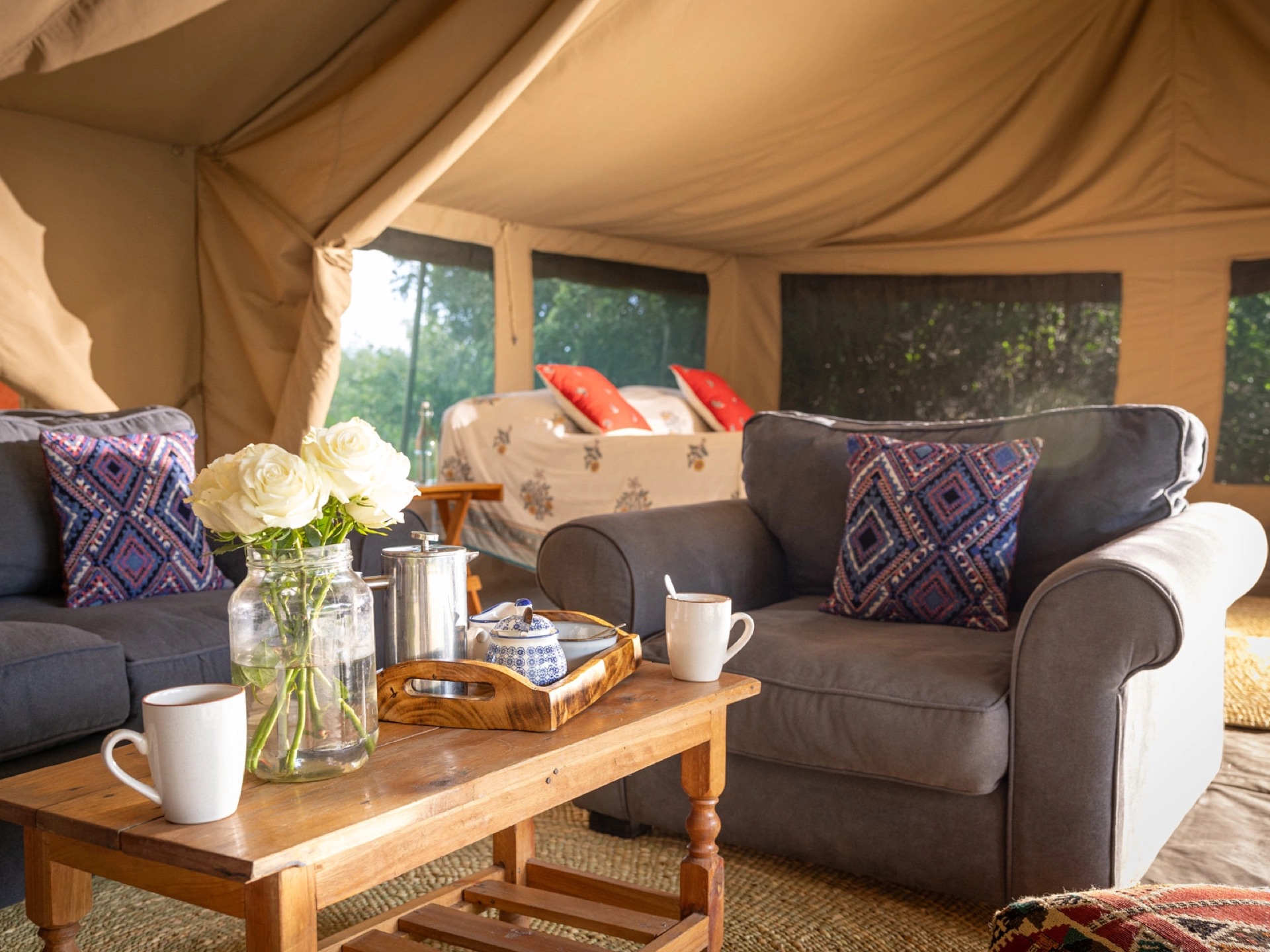
Other people
At a small camp you eat with the other guests unless there are separate tables. Some find it the best part of the evening; some find it work.
The dinner question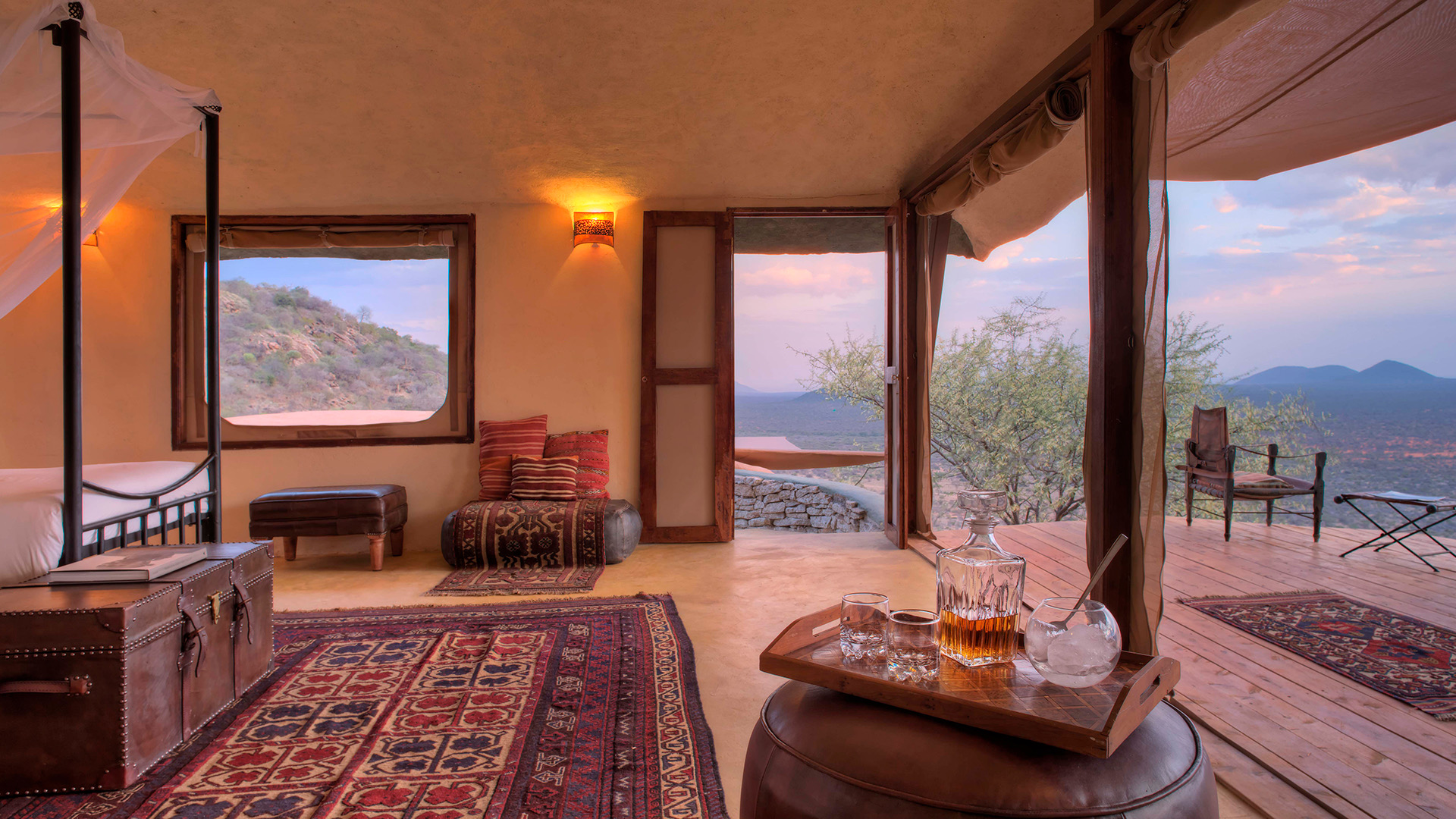
What comfort means
Rank the bed, the bathroom, the food, the view, the guide, the wildlife and the quiet. Couples are regularly surprised by each other here.
Ranking it
Money
Two numbers, written separately: what this should cost, and what you would be uncomfortable exceeding. The gap is the real conversation.
The two numbers
The one thing
One thing you want that you have not said out loud. Usually smaller and more achievable than either of you expects.
Saying itFree download
The Two of You
Fill it in separately, then compare. It is designed to surface the four or five things couples do not say out loud before a wedding.
- Why to fill this in separately
- The early-start question
- The how-much-moving question
- The other-people question
- The comfort question
- The money question
- The one-thing question
- Comparing the two sheets
- What to do where you disagree
- Turning it into a brief
No cost, no obligation. We ask for an email so we can send it and, if you want it, follow up once.
Before you ask
The questions this raises
Is it really normal to want different things?
It is close to universal, and the couples who plan best are the ones who establish it early rather than discovering it on day three in a vehicle at dawn.
What is unusual is not the difference. It is having said it out loud before the itinerary was written.
Should we really send you two different answers?
Yes, and it makes the specialist’s job easier rather than harder. A brief that says "one of us will want every drive and one of us will want two" produces a better itinerary than one that says "we would like a relaxing but active trip".
The second is what a committee writes. The first is something a specialist can build around.
What if one of us has a much higher budget in mind?
Very common and best resolved on paper before an itinerary exists. Once there is a draft with named camps in it, the conversation stops being about a number and starts being about which camp somebody is "losing".
Fix the total first, tell us what it is, and let the specialist optimise inside it. That is a far easier conversation than the fourth revision.
Who actually arranges my safari?
This site is a planning guide. When you send an enquiry it goes to Nomad Africa, our partner travel agency in Kenya, who prepare your itinerary and quote and handle the booking, the payments and you on the ground.
You deal with one team from the first email to the airport transfer home.
Start planning
Tell us what each of you wants
Including where you disagree. Put both answers in the message box — "he wants every drive, she wants two" is a genuinely useful sentence and it will shape the whole itinerary.
Our Africa specialist replies within 24 hours with a route designed to absorb the difference rather than average it.
- An itinerary that solves the difference rather than splitting it
- A private vehicle priced separately, so you can see what it buys
- Named camps, with dining arrangements stated
- No deposit to see a plan, and no obligation at any point
Who answers
Nomad Africa, our partner travel agency in Nairobi, builds and prices every itinerary we send. You deal with one team, on the ground, for the whole trip.
Get your tailored itinerary and quote
Our Africa specialist replies within 24 hours with a costed plan built around your dates.
More from our Africa guides
Specialist guides across our Africa network
Each of these is a focused guide we publish. Same Africa specialist behind every enquiry.